
- Origins and History
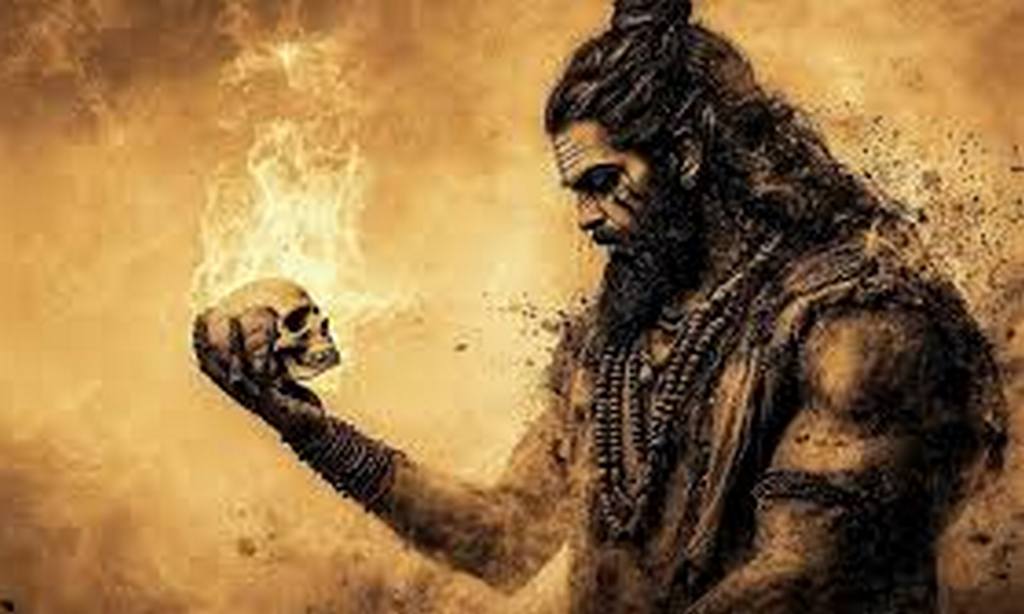
The Aghoris are a sect of ascetics in India known for their radical practices and rejection of worldly attachments. Their beginnings are cloaked in mystery, often traced back to Baba Kina Ram, regarded as the first Aghori saint, who is said to have lived until the mid-18th century at the remarkable age of 150. Scholars also suggest possible links between the Aghoris and earlier ascetic traditions such as the Kapalikas of Kashmir and the Kalamukhas of the Deccan Plateau, both of whom shared similarly unconventional rituals.
- Religious Beliefs
- The Aghoris follow a Tantric form of Hinduism, venerating Lord Dattatreya as a spiritual predecessor.
- Their devotion centers on Bhairava, a fierce manifestation of Lord Shiva, whom they regard as the embodiment of perfection.
- Rejecting material possessions, they often live unclothed, dwell in cremation grounds, and embrace practices considered taboo.
- Their ultimate goal is moksha—liberation from the endless cycle of birth and death.
- They worship Goddess Kali and believe that through intense rituals, she may grant them supernatural powers.
- For the Aghoris, the world is free of dualities: there is no “good” or “bad,” no “pure” or “impure.” Everything is seen as perfect because it is infused with Shiva’s presence.
- Healing Traditions
Aghoris claim mystical healing abilities. Rural communities sometimes seek them out to cure illness or misfortune. They believe they can absorb ailments from others into their own bodies and then expel them through ritual and spiritual power. Such acts, they say, please Lord Shiva, who rewards them with greater strength.
- Dark Practices
While their philosophy intrigues many, their rituals often provoke shock and revulsion:
- In Varanasi, Aghoris are said to collect corpses from the Ganges, using them in ceremonies.
- They may consume flesh from the dead, use skulls as drinking vessels, or craft ornaments from bones.
- They regularly consume marijuana, not for pleasure but to heighten focus during demanding spiritual practices.
These acts, though disturbing to outsiders, are seen by Aghoris as ways to transcend worldly illusions and taboos.
- Perceptions by Society
The Aghoris occupy a paradoxical place in Indian society:
- They are feared and shunned for their macabre rituals.
- Yet, they are also respected and sought after for their supposed mystical powers.
- Their refusal to harm others or force their beliefs has allowed them to exist on the fringes of society for centuries.
- In rural India, some still approach Aghori sadhus for guidance, healing, or blessings, believing them to be conduits of divine energy.
Sources: World-atlas
